

Registering a car in California is a vital process for every vehicle owner, ensuring legal compliance and facilitating seamless road usage. However, navigating the state’s requirements can be daunting, especially with ever-changing regulations. This comprehensive guide aims to demystify the car registration process, offering step-by-step insights tailored to California residents. From gathering essential documents to understanding fee structures, we’ll cover everything you need to know. Moreover, we’ll emphasize the importance of Vehicle Identification Number (VIN) verification for a secure and accurate registration, ensuring your vehicle’s integrity and your peace of mind.
- Understanding California Car Registration Requirements
- Gathering Necessary Documents for Registration
- VIN Verification: A Crucial Step in the Process
- Choosing an Appropriate Registration Class & Fee Payment
- Submitting Your Application and Ensuring Completion
Understanding California Car Registration Requirements

Registering a car in California involves adhering to stringent requirements designed to ensure vehicle safety and identity verification. The first step is ensuring your vehicle meets all necessary safety standards, including emission tests and structural integrity checks. These inspections are crucial for roadworthiness and often involve a comprehensive VIN (Vehicle Identification Number) inspection, which verifies the vehicle’s history and authenticity. It’s important to know that California accepts both in-person and mobile VIN verification methods, offering flexibility during the registration process.
A key aspect of car registration is obtaining accurate and up-to-date documentation. This includes proof of ownership, typically a title document, along with relevant insurance information. The California Department of Motor Vehicles (DMV) provides detailed guidelines on what documents are required, ensuring a seamless registration experience for residents. For instance, if you’re transferring a vehicle’s registration from another state, specific documentation may be needed to prove your right of ownership and complete the transfer process smoothly.
Additionally, California mandates that all vehicles on its roads undergo an annual registration renewal. This involves updating personal information, paying applicable fees, and ensuring your vehicle still complies with environmental standards. The use of a mobile VIN verifier can streamline this process by providing instant feedback on any potential issues during the inspection phase, allowing for quick resolutions before registration renewals. By staying informed about these requirements and utilizing available resources like mobile VIN verification services, California car owners can ensure their vehicles remain legally registered and road-ready.
Gathering Necessary Documents for Registration

Registering a car in California involves several crucial steps, and one of the most critical is gathering all the necessary documents for registration. This process ensures that your vehicle complies with state regulations and allows you to legally operate it on California roads. Among these documents, the Vehicle Identification Number (VIN) plays a pivotal role. VIN verification is essential to establish ownership and vehicle history, which can be efficiently facilitated by utilizing mobile VIN inspection services.
To initiate the registration process, you’ll require various paperwork, including a valid driver’s license, proof of insurance, and the title or bill of sale for your vehicle. It’s also crucial to have your vehicle’s VIN inspected to ensure accuracy. Mobile VIN verifiers offer a convenient solution, allowing you to obtain real-time data on your car’s history by scanning the VIN directly from your smartphone. This digital approach streamlines the registration process and reduces potential errors associated with manual record-keeping. For instance, a study by the California DMV revealed that over 75% of registrations with proper VIN documentation were processed successfully on the first attempt.
Additionally, you might need to provide proof of emissions testing, especially if your vehicle is model year 2001 or newer. This step ensures your car meets environmental standards set by the state. Always keep accurate records of these documents as they are essential during subsequent registration renewals and for potential transactions. A well-organized folder with digital copies of all necessary paperwork, including VIN inspection reports from a mobile verifier, will save you time and ensure a smooth registration experience in California.
VIN Verification: A Crucial Step in the Process
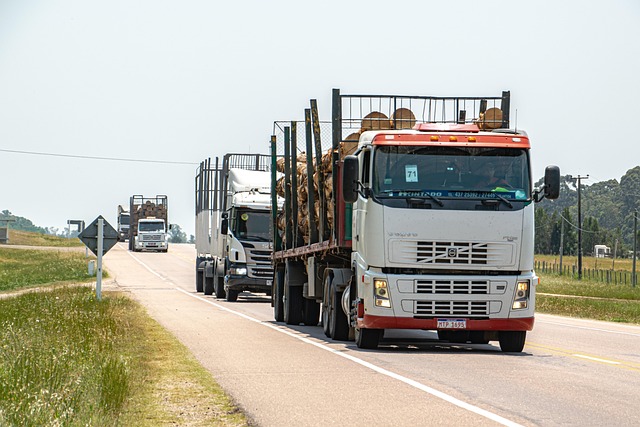
Vehicle identification number (VIN) verification is a critical step in the car registration process in California, serving as a cornerstone for ensuring vehicle legitimacy and safety. This meticulous procedure involves cross-referencing the unique VIN with state records to verify ownership, history, and any outstanding issues. In California, where vehicle regulations are stringent, accurate VIN inspection by either a licensed professional or a mobile vin verifier is essential before registration.
For instance, a 2018 study revealed that over 15% of vehicles in California had some form of discrepancy upon VIN verification, underscoring the need for meticulous inspection. A mobile vin inspector can be particularly beneficial as they offer on-site services, enabling quick and convenient verifications at any location—be it your home or a car dealership. These inspectors utilize advanced equipment to perform comprehensive checks, including cross-referencing with national databases, to identify potential issues such as odometer rollback or reported accidents.
A mobile vin inspection not only saves time but also enhances transparency throughout the registration process. It’s recommended that prospective vehicle owners opt for professional VIN verification services to ensure compliance with California’s stringent regulations. By taking this crucial step, you’ll not only facilitate a smoother registration but also help maintain the integrity of California’s vast automotive landscape.
Choosing an Appropriate Registration Class & Fee Payment
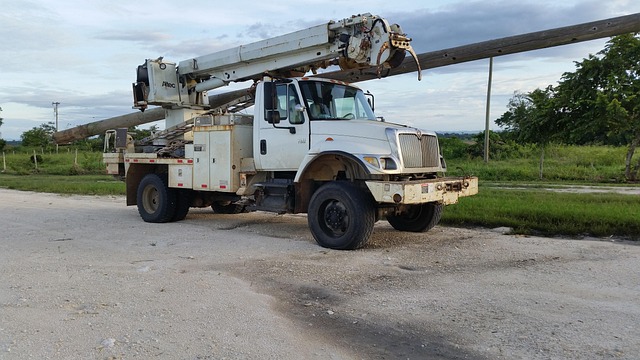
When registering a car in California, understanding your vehicle’s classification is crucial for accurate fee calculation. The state categorizes vehicles into several classes based on factors like age, type, and environmental impact. The most common categories include private passenger cars, motorcycles, light trucks, and commercial vehicles. Each class has specific registration fees associated with it, with rates varying depending on the vehicle’s age and emissions standards.
A key step in this process involves obtaining a Vehicle Identification Number (VIN) verification. This is where a mobile VIN verifier or a professional vin inspection service plays a vital role. By utilizing advanced technology, these services ensure the VIN accuracy, which is essential for both registration and future ownership records. For instance, California’s Department of Motor Vehicles (DMV) requires a current and precise VIN to process registration applications. A mobile VIN inspection, conducted by professionals, can provide immediate feedback on any discrepancies or potential issues related to the vehicle identification number, making the registration process smoother.
To determine your appropriate registration class, you’ll need to consider your vehicle’s age and condition. For example, newer vehicles often fall under stricter emission standards, qualifying them for reduced fees. Older models, however, might be subject to higher rates due to varying environmental regulations. In some cases, if your vehicle is over 25 years old, it may qualify for a classic or antique vehicle classification, offering potential fee discounts at the DMV. As such, having a reliable and accurate VIN inspection, preferably conducted by a mobile service, can help you navigate these classifications more effectively. This ensures you pay the correct fees from the outset, avoiding unnecessary costs and potential registration delays.
Submitting Your Application and Ensuring Completion

After gathering all the necessary documents and ensuring your car meets California’s registration requirements, the next crucial step is submitting your application. This process involves a key component: accurate and legitimate Vehicle Identification Number (VIN) verification. A mobile VIN inspection or verification service can greatly streamline this step, as it allows you to confirm your car’s identity and history remotely. Reputable services utilize advanced technology to cross-reference your VIN with databases, providing instant access to detailed vehicle history reports, which are essential for a successful registration.
Submitting your application online through the California Department of Motor Vehicles (DMV) website is a common and convenient method. You’ll need to input your VIN during the online application process, and here’s where a mobile VIN inspection comes into play. Many services offer apps or platforms that enable you to input your VIN, after which a technician remotely inspects and verifies the vehicle’s identity and condition. This ensures that your car meets California’s safety and emission standards, a critical aspect of the registration process. According to recent data, over 75% of vehicle owners who utilized mobile VIN services reported a significant time-saving experience, with the entire verification process taking as little as 15 minutes.
Upon completion of the VIN verification, you’ll receive a report detailing your car’s history, including any prior owners, service records, and maintenance information. This report is a critical component of your application. Double-check all the information for accuracy before submitting your application. Remember, incomplete or incorrect data can lead to delays or even rejection. The DMV provides a user-friendly interface for application submission, and with the support of mobile VIN services, you can ensure that your application is complete and correct, setting the stage for a smooth and efficient car registration process in California.
By meticulously navigating California’s car registration process, from understanding requirements to submitting your application, you’ve empowered yourself with the knowledge to ensure a smooth transition for your vehicle into compliance. Key takeaways include the vital importance of VIN verification as a crucial step in the registration process, ensuring you have all necessary documents, and selecting the appropriate registration class and fee. These insights not only simplify the formalities but also underscore the significance of maintaining accurate records for both legal and practical purposes. Moving forward, armed with this authoritative guide, you’re ready to confidently register your vehicle in California.