

Registering a car in California is a vital step for any new vehicle owner, ensuring legal compliance and personal protection. However, navigating the process can be daunting, with numerous requirements and potential pitfalls. This article serves as your comprehensive guide, arming you with the knowledge to smoothly navigate this essential task. We’ll break down each step, from gathering necessary documents to completing the DMV VIN verification, ensuring a seamless registration experience tailored to California’s unique regulations. By the end, you’ll be prepared to confidently register your vehicle with ease.
- Gather Necessary Documents for Car Registration
- Prepare Your Vehicle for DMV Inspection: VIN Verification
- Visit a California DMV Office: Step-by-Step Process
- Complete the Registration Application Form Accurately
- Pay Registration Fees and Receive Your License Plate
Gather Necessary Documents for Car Registration

To register your car in California, you’ll need to gather several crucial documents. The process begins with ensuring all legal requirements are met, which involves verifying the vehicle’s identification number (VIN). This is a critical step, as it confirms the car’s authenticity and history. One efficient method for this VIN verification is through a mobile vin inspection or mobile vin verifier, services that allow you to complete the process from the comfort of your home or office. These tools cross-reference the VIN against national databases to provide a comprehensive vehicle history report.
In California, you’ll typically require documents such as the title certificate from the previous owner (if applicable), proof of insurance, and a valid driver’s license. Additionally, you must present a completed California Vehicle Registration Application form. It’s advisable to double-check with the California Department of Motor Vehicles (DMV) for any updates or specific forms needed. Using a mobile vin verifier can aid in this process by identifying potential issues early on, such as outstanding loans or accidents not reported in the title transfer.
Once all necessary documents are gathered, you can visit any California DMV field office to register your vehicle. Alternatively, many services offer online registration options, further simplifying the process. Ensure that all information is accurate and up-to-date to avoid delays. Regularly checking with the DMV’s website or contacting them directly for any changes in requirements will ensure a smooth car registration experience.
Prepare Your Vehicle for DMV Inspection: VIN Verification
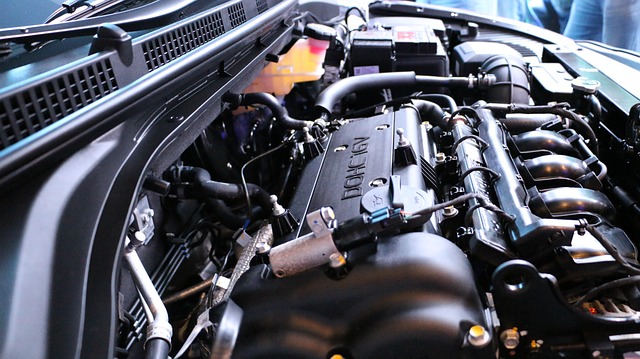
Before you can register your car in California, your vehicle must pass a crucial step: DMV vin verification. This process ensures that your car meets all safety and emissions standards set by the state. During this inspection, a California Department of Motor Vehicles (DMV) officer will conduct a thorough examination, checking various components like lights, brakes, tires, and exhaust systems. One integral part of this process is verifying the Vehicle Identification Number (VIN). A valid VIN ensures that your car’s identification is accurate and matches the records in the DMV system, which is essential for issuing a registration.
Mobile vin inspection services have gained popularity, offering convenience to California drivers. These services bring the verification process directly to you, saving time and effort. Professional inspectors use specialized equipment to capture and transmit VIN data, ensuring accuracy. For instance, some mobile services can provide immediate digital reports, allowing you to address any issues before heading to the DMV. This modern approach aligns with California’s commitment to streamlining vehicle registration processes.
During a vin inspection, be prepared to discuss your car’s history and maintenance records. The inspector will look for signs of tampering or potential safety hazards. Keeping detailed service records can expedite the process and demonstrate responsible ownership. Remember, a clean and well-maintained vehicle is more likely to pass the DMV vin verification without any major hiccups. By proactively preparing your car, you enhance the chances of a smooth registration experience in California.
Visit a California DMV Office: Step-by-Step Process

To register your car in California, one of the essential steps is to visit a California DMV (Department of Motor Vehicles) office for a comprehensive inspection. This process involves multiple checks, including a Vehicle Identification Number (VIN) verification, which ensures the authenticity and history of your vehicle. At the DMV, you’ll need to bring various documents such as proof of ownership, insurance, and identification. The staff will guide you through each step, ensuring that all required forms are accurately completed.
The VIN inspection is a critical component of this process. Here’s where mobile VIN inspection services come into play. These services allow for convenient and efficient verification by using advanced technology to capture and transmit the VIN data directly from your vehicle. A mobile VIN verifier can perform this check remotely, saving you time and effort. For instance, some services offer real-time feedback on the vehicle’s history, including any reported accidents or outstanding loans, which is crucial information to have before finalizing the registration.
During your visit, you’ll be required to present the necessary documentation and undergo a thorough inspection. The DMV officer will physically inspect your car, checking its overall condition and ensuring it meets safety standards. They will also perform a VIN verification using specialized equipment to cross-reference the vehicle’s information with state records. This step is vital in preventing fraud and ensuring that only legitimate vehicles are registered. If any discrepancies or issues are found, they will be addressed before approval, ensuring a smooth registration process overall.
Complete the Registration Application Form Accurately

Completing the Registration Application Form accurately is a crucial step when registering your car in California. This form, often referred to as the DMV vehicle registration application, is where you’ll provide essential details about your vehicle and yourself. A key component of this process involves the Vehicle Identification Number (VIN) verification, which ensures that the data on your car matches the information on record. The California Department of Motor Vehicles (DMV) recommends using a mobile VIN inspection tool or a professional service for this step to ensure accuracy and avoid future issues.
When filling out the form, double-check all vehicle specifications, including make, model, year, and type. These details are crucial for identifying your car uniquely. For instance, a mismatch in these attributes during the DMV vin verification process could delay or even deny your registration. Moreover, be meticulous with personal information like your name, address, and contact details. An error here might lead to communication delays regarding your registration status. It’s also beneficial to keep records of all documents related to your vehicle, such as insurance papers and previous registration documents, as they may be required during the inspection process.
A practical tip is to use a mobile VIN inspection tool that can provide instant results and guidance throughout the registration process. These tools often offer step-by-step instructions, ensuring you have all necessary information readily available. For instance, some apps allow you to scan the VIN plate with your smartphone camera, providing detailed vehicle history in seconds. This technology streamlines the vin inspection process, making it more efficient for both you and the DMV. By taking this proactive approach, you minimize errors and potential delays, ensuring a smoother car registration experience in California.
Pay Registration Fees and Receive Your License Plate

To complete the registration process, you’ll need to pay the required registration fees and receive your vehicle’s license plate. This step involves several actions, including verifying the Vehicle Identification Number (VIN) through the California Department of Motor Vehicles (DMV). One efficient method for VIN verification is by utilizing a mobile VIN verifier or inspection service. These tools allow you to complete the process quickly and conveniently, often with real-time results.
First, gather all necessary documentation, including your vehicle’s registration papers, proof of insurance, and valid driver’s license. Then, visit the DMV website or an authorized agent to calculate the exact fees. These fees vary based on factors like the type of vehicle, weight, and emissions standards. Once you’ve confirmed the total cost, which may include a registration fee, title fee, and potentially other charges, you can proceed with payment. Many DMV locations offer various payment methods, including cash, credit cards, or debit cards.
After successfully paying the fees, the DMV will conduct a thorough inspection, including a mobile VIN verification if needed. This involves checking your vehicle’s history, ensuring it meets safety standards, and verifying the VIN accuracy. In California, accurate VIN recording is crucial for tracking vehicle ownership and preventing theft. With the rise of remote work, many residents opt for efficient mobile vin verifier services that provide immediate results, allowing them to finalize their car registration promptly from the comfort of home or office.
Registering a car in California involves several crucial steps, from gathering essential documents to completing a registration application form accurately. The process culminates with DMV vin verification and the receipt of your license plate. Key insights include the importance of preparing your vehicle for inspection, ensuring all necessary paperwork is in order, and understanding the associated fees. By following these steps diligently, you can ensure a smooth car registration experience, empowering you to navigate California’s requirements confidently.