

Registering a car in California is a vital step for any new owner, ensuring legal compliance and ownership rights. However, the process can be complex, often leaving owners unsure where to begin. This article serves as your comprehensive guide, offering expert insights into every step of the registration procedure. We’ll demystify the process, from gathering necessary documents to utilizing tools like a VIN verifier, ensuring a seamless experience. By the end, you’ll be equipped with the knowledge to navigate this essential task with confidence.
- Understanding California Car Registration Requirements
- Gathering Necessary Documents for Registration
- Using VIN Verifier for Accurate Data Entry
- Completing the Registration Application Process
- Finalizing and Obtaining Your Vehicle's Registration Certificate
Understanding California Car Registration Requirements

Registering a car in California involves understanding specific requirements to ensure legal compliance and smooth ownership. The process begins with gathering essential documents, including proof of identity, residency, and vehicle ownership. It’s crucial to verify the Vehicle Identification Number (VIN) during this stage, as it serves as a unique identifier for your vehicle and is critical for accurate registration. Utilize a reliable VIN verifier to ensure the vehicle’s history is free from any discrepancies or hidden issues. This step is particularly important given California’s stringent regulations against unregistered vehicles.
One key aspect of California car registration requirements is the need for a current emission certificate, reflecting the vehicle’s compliance with state pollution standards. This involves undergoing a VIN inspection to confirm the vehicle’s emissions control systems are in proper working order. Mobile VIN inspection and verification services can greatly simplify this process by providing on-site testing, especially for those with busy schedules or limited mobility. These services employ advanced technology to swiftly capture and transmit the necessary data, making it easier for owners to meet registration deadlines.
Additionally, California requires all vehicles to display current license plates, which are obtained through the registration process. The state offers various registration options, including online renewals and in-person visits to Department of Motor Vehicles (DMV) offices. It’s advisable to explore these alternatives to determine the most convenient and efficient method for your situation. Regularly updating your vehicle’s registration is not just a legal obligation but also ensures you remain compliant with California’s ever-evolving automotive regulations, fostering a safer and more responsible driving environment.
Gathering Necessary Documents for Registration

Registering a car in California involves a meticulous process, and one of the critical steps is gathering all the essential documents. Before diving into the registration procedure, vehicle owners must ensure they have completed this crucial task. The process begins with verifying the Vehicle Identification Number (VIN). This unique 17-character code serves as the key to unlocking a wealth of information about the vehicle’s history and specifications. In California, utilizing a VIN verifier is an integral part of the registration preparation.
A VIN inspection is not just a formal requirement but also a wise step for any car owner. Many online platforms offer remote or mobile VIN verification services, making it convenient for residents across the state. These services provide a comprehensive report detailing the vehicle’s past, including ownership history, accident records, and outstanding loans. For instance, data from the National Motor Vehicle Title Information System (NMVTIS) indicates that over 75% of vehicles checked had no reported damage or title issues, showcasing the potential benefits of early VIN inspection. By employing a mobile VIN verifier, California drivers can access this critical information swiftly, ensuring they are fully prepared for the registration process.
In addition to VIN verification, gather vital documents such as the title certificate, current vehicle registration (if applicable), and proof of insurance. The title certificate is a legal document proving ownership, while the registration provides evidence of compliance with California’s emission and safety standards. Proof of insurance is essential, as it demonstrates financial responsibility and can be requested by law enforcement during routine checks. Always keep these documents updated and readily accessible to streamline any future transactions or inspections.
Using VIN Verifier for Accurate Data Entry
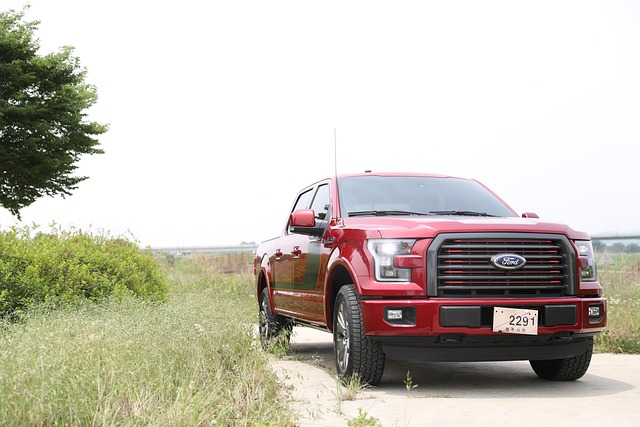
Registering a car in California involves meticulous data entry, ensuring each detail is accurate to comply with state regulations. One critical aspect often overlooked but crucial for maintaining vehicle records is utilizing a Vehicle Identification Number (VIN) verifier. This tool plays a pivotal role in verifying and recording precise information linked to the unique VIN of your vehicle. By employing a mobile VIN verifier during the registration process, California residents can enhance accuracy, streamline procedures, and minimize errors that may arise from manual data entry.
Mobile VIN verifiers offer a convenient and efficient solution, allowing users to conduct inspections remotely. This technology captures detailed vehicle specifications directly from the VIN, including make, model, year, engine type, and other critical attributes. For instance, an approved mobile app can scan the VIN and instantly display comprehensive data, ensuring registrars access up-to-date information. This digital approach not only reduces the potential for human error but also provides a secure record-keeping system, as data is stored electronically, minimizing paperwork and preserving integrity.
Consider a scenario where a driver uses a mobile VIN inspection app to verify their vehicle’s details before registration. The app quickly verifies the VIN, retrieves all relevant information, and displays it on the screen for the registrar to review. This process saves time, reduces errors, and ensures that the California Department of Motor Vehicles (DMV) has accurate data, potentially avoiding future issues related to incorrect vehicle records. By integrating a mobile vin verifier into the registration workflow, California’s DMV can maintain a robust and reliable database, benefiting both citizens and enforcement agencies.
Completing the Registration Application Process

Registering a car in California involves several steps, with careful attention required during the registration application process. First, gather all essential documents including your vehicle’s Certificate of Title (if applicable), proof of insurance, and valid driver’s license. Additionally, you’ll need to complete and submit Form DV305, which requires detailed information about your vehicle, including its make, model, year, and unique Vehicle Identification Number (VIN). Accurate VIN entry is crucial; consider using a mobile VIN inspection tool to verify the number before inputting it into the form.
Next, visit the California Department of Motor Vehicles (DMV) office or complete the process online. If opting for the former, be prepared for potential wait times as DMVs can be bustling. You’ll need to present your documents and pass a vehicle inspection, sometimes conducted via mobile VIN verification to ensure the car’s condition aligns with the provided information. Online registration offers convenience but may require additional steps, such as uploading clear photos of your vehicle.
Upon successful submission, the DMV will process your application and issue a registration certificate. In some cases, especially for older vehicles or those with unique attributes, an additional inspection might be necessary. It’s beneficial to understand these requirements beforehand to avoid delays. Regularly checking your vehicle’s registration status online can help you stay informed about any pending updates or actions required from your end.
Finalizing and Obtaining Your Vehicle's Registration Certificate

After completing the necessary forms and gathering all required documents, the final step in registering your car in California involves finalizing and obtaining your vehicle’s registration certificate. This crucial process ensures that your car is legally recognized on California’s roads. To streamline this procedure, consider utilizing a mobile VIN inspection service or a trusted mobile VIN verifier. These tools can provide accurate vehicle identification data, saving you time and effort.
The California Department of Motor Vehicles (DMV) will review your application and associated documents. Once approved, they will generate your registration certificate. This document verifies that your vehicle meets all legal standards and is fit for public use. It’s essential to ensure the accuracy of the information on this certificate, as it includes vital details such as the Vehicle Identification Number (VIN), make, model, year, and emissions compliance status. If you’ve opted for a mobile VIN inspection or verifier during the initial registration process, these services can help confirm the VIN accuracy, ensuring there are no discrepancies that could delay your registration.
Upon receipt of your registration certificate, it’s imperative to keep it secure and readily accessible. This document is not only required for annual registration renewals but also serves as proof of ownership and vehicle identification in various situations, such as insurance claims or law enforcement checks. Remember, should you decide to sell your vehicle, transferring the registration is a seamless process facilitated by the DMV, and a properly documented history, including the certificate, enhances the transaction’s transparency and value.
By meticulously navigating California’s car registration requirements, utilizing essential documents, and employing a VIN verifier for precise data entry, you can successfully complete the registration application process. This article has empowered you with key insights, ensuring you’re prepared to finalize and obtain your vehicle’s registration certificate. Moving forward, remember the importance of accurate information, proper documentation, and leveraging tools like the VIN verifier to streamline the process. Your California car registration is now a straightforward procedure, thanks to these proven strategies.