

Registering a car in California is a vital step for any vehicle owner, ensuring legal compliance and protecting your investment. However, navigating the process can be daunting, filled with bureaucratic hurdles and complex regulations. This comprehensive guide aims to demystify the procedure, offering expert insights on every step, from gathering essential documents to crucial VIN verification. By the end, you’ll possess the knowledge to register your vehicle smoothly and confidently, ensuring a seamless experience in the Golden State.
- Prepare Necessary Documents for Car Registration
- Understand California's Vehicle Registration Process
- Obtain a Clean VIN Verification Report
- Visit Your Local DMV Office or Use Online Services
- Complete Payment and Receive Your Registration Papers
Prepare Necessary Documents for Car Registration

To register your car in California, preparing the right documents is the first step towards a seamless process. Among these, the Vehicle Identification Number (VIN) verification stands out as critical. This unique 17-character code acts as a fingerprint for your vehicle, making it essential during registration. In California, you’ll need to undergo a VIN inspection as part of the registration process.
For instance, when registering a car through the California Department of Motor Vehicles (DMV), you’ll be required to present a valid title and a current vehicle inspection report. The VIN plays a pivotal role here; it’s used to confirm the identity and history of your vehicle. To facilitate this, many services now offer mobile VIN verification and inspection, providing convenience and accuracy. These services employ advanced technology to retrieve a vehicle’s historical data, including ownership records, accident reports, and maintenance history, ensuring that every detail aligns with the provided VIN.
The process is straightforward; you simply provide your VIN to a certified inspector via phone or online platform. They perform a comprehensive check against national databases, delivering an accurate report in minutes. This approach not only saves time but also enhances the overall registration experience. Whether purchasing a used car or simply going through routine registration, utilizing these mobile services ensures that your vehicle’s history is accurately verified before it hits California’s roads.
Understand California's Vehicle Registration Process
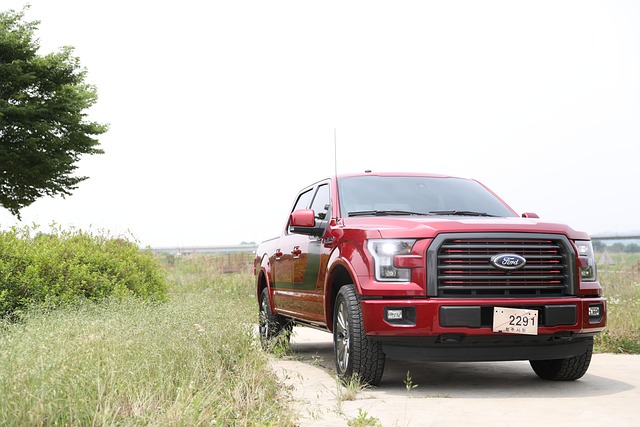
Registering a car in California involves several steps designed to ensure vehicle safety and public roadworthiness. The process begins with gathering essential documents, including proof of ownership, identification, and insurance. Once these are ready, the next crucial step is vin verification. In California, this typically requires an individual inspection or the use of a mobile vin inspection service, where a professional will cross-reference the vehicle’s unique Vehicle Identification Number (VIN) with state records to confirm its history and ensure it meets all legal standards. This is a critical phase as it helps deter fraud and ensures only legitimate vehicles are registered.
Following successful vin verification, the owner can proceed with visiting a California Department of Motor Vehicles (DMV) office or using the DMV’s online services to register the vehicle. The online registration process offers convenience, allowing applicants to complete most steps from the comfort of their homes. During this stage, you’ll pay the required registration fees and provide additional information such as proof of emissions testing, if applicable. It’s advisable to check specific requirements based on your vehicle’s make, model, and year, as some older models might have different regulations.
California also offers various incentives for green vehicles, encouraging eco-friendly choices. For instance, certain hybrid or electric cars may qualify for reduced registration fees or other benefits. These incentives reflect the state’s commitment to environmental sustainability and can be a significant factor in the registration process. Always ensure you’re aware of any applicable discounts or requirements when registering your vehicle to take advantage of these initiatives and contribute to California’s sustainable transportation goals.
Obtain a Clean VIN Verification Report

Before registering your car in California, obtaining a clean VIN verification report is an essential step that cannot be overlooked. The Vehicle Identification Number (VIN) serves as a unique fingerprint for every vehicle, providing critical information about its history and condition. In California, where vehicles are subject to various environmental and road conditions, ensuring the accuracy of this data is paramount. A clean VIN verification confirms that your car has not been in any significant accidents, flood-damaged, or had its odometer rolled back—all of which can impact both safety and legal compliance.
One effective method to achieve this is by utilizing a mobile vin verifier or undergoing a mobile vin inspection. These services bring the inspection process directly to you, saving time and effort. A professional will use specialized tools to cross-reference your VIN with databases, providing an immediate report on any red flags. This approach has gained popularity due to its convenience, especially for individuals who may not have easy access to traditional inspection stations. Moreover, mobile vin inspections are increasingly favored by California’s Department of Motor Vehicles (DMV) as a modern solution to streamline the registration process.
For instance, recent data from the DMV indicates that areas with higher vehicle turnover rates, such as urban centers, often see a higher percentage of vehicles passing mobile vin inspections compared to rural regions. This suggests that mobility and accessibility play significant roles in ensuring proper VIN verification. By embracing these modern verification methods, California drivers can ensure their vehicles meet the stringent standards required for registration while enjoying the convenience of a door-to-door service.
Visit Your Local DMV Office or Use Online Services
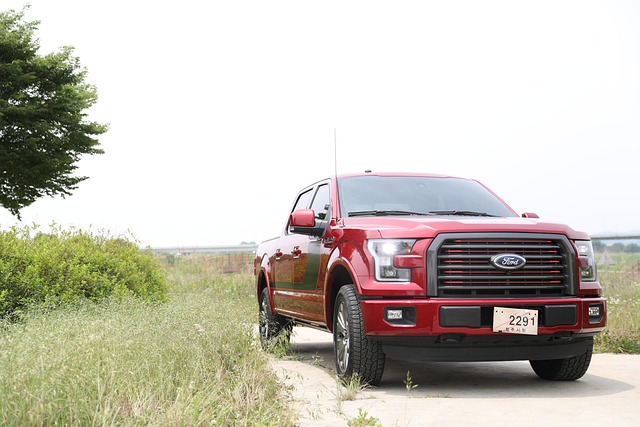
Registering a car in California involves several steps, but visiting your local DMV office or utilizing online services can streamline the process significantly. When you choose to visit an official DMV location, be prepared with essential documents such as proof of insurance, vehicle registration from the previous state (if applicable), and identification. This approach ensures a direct interaction with state officials who can provide immediate assistance and conduct thorough checks, including VIN verification.
For added convenience, California offers various online services that allow you to register your vehicle remotely. These platforms facilitate mobile VIN verification, enabling you to complete the registration process from the comfort of your home or even while on the go. This method is particularly beneficial for those who prefer digital interactions and want to avoid waiting in line at a DMV branch. The California DMV website provides step-by-step guides and resources to help users navigate this process smoothly, ensuring that every aspect of VIN verification is accurately documented.
If you opt for mobile VIN verification through an approved verifier or app, the process is simple. You’ll need to access your vehicle’s unique VIN (Vehicle Identification Number) located on the dashboard or in the driver’s side door frame and provide it during registration. This technology allows officials to cross-reference your data against state records, ensuring the authenticity of your vehicle and speeding up the registration procedure. For instance, many mobile vin verifier apps offer a user-friendly interface, capturing photos of required documents and generating digital copies for easy submission.
Remember, whether you opt for in-person or online services, proper VIN verification is crucial to ensure a successful car registration process in California. Utilizing available mobile vin inspection tools can further enhance efficiency while maintaining the integrity of your vehicle’s information.
Complete Payment and Receive Your Registration Papers

Completing the registration process involves a crucial final step: making the necessary payments and receiving your official registration papers. This phase ensures your vehicle’s legal status in California. Upon submitting your application at a DMV office or through an approved online service, you’ll be directed to arrange payment for the registration fee. The cost varies based on your vehicle type and other factors but is typically around $50-$200. After processing your application and verifying your Vehicle Identification Number (VIN) through a state-approved inspection, including a mobile VIN inspection or using a reliable online verifier, you’ll be charged. California requires all vehicles to undergo a VIN inspection to ensure vehicle identity and prevent fraud.
Once the payment is cleared, you can expect to receive your Registration Certificate, which confirms that your car is legally registered in the state. Additionally, you’ll typically get a license plate or plates assigned to your vehicle. It’s essential to keep these documents secure and up-to-date. In some cases, you may be eligible for a fee waiver or reduction if certain criteria are met, such as owning an antique vehicle or being a veteran. Keeping accurate records of your VIN inspection is vital; many mobile VIN inspectors provide digital receipts that can serve as proof during future registration renewals or transactions.
By meticulously preparing the required documents, understanding California’s vehicle registration process, obtaining a clean VIN verification report, and either visiting or utilizing online services at your local DMV, you can seamlessly register your car in California. These steps ensure accuracy, prevent delays, and protect against potential issues down the road. A key component of this process is the VIN verification, which serves as a vital check to confirm the vehicle’s authenticity and history. Upon completion, you’ll receive your registration papers, marking the official recognition of your vehicle within the state. This structured approach leverages the comprehensive guide provided in this article, empowering readers with the knowledge and tools needed to navigate California’s car registration requirements with confidence and efficiency.