

Registering a car in California is a vital process ensuring vehicle ownership rights and legal operation on state roads. However, navigating the requirements can be cumbersome, especially with evolving regulations. This article serves as your authoritative guide, offering step-by-step insights into the registration process, including crucial aspects like DMV VIN verification. By following these guidelines, you’ll efficiently secure your car’s registration, ensuring a smooth and legally compliant ownership experience in the Golden State.
- Gather Required Documents for Car Registration
- Visit a California DMV Location for VIN Verification
- Complete the Vehicle Registration Application Form
- Pay the Car Registration Fees and Get Your Plate
- Ensure Proper Maintenance & Update Information with DMV
Gather Required Documents for Car Registration

Registering a car in California involves a meticulous process, and one of the critical steps is gathering all the necessary documents for a smooth registration experience. The California Department of Motor Vehicles (DMV) requires specific paperwork to ensure accurate vehicle identification and ownership verification. Among these, the Vehicle Identification Number (VIN) plays a pivotal role, making VIN inspection 1-3 times during the registration process imperative.
For instance, when you purchase a used car from a private seller or dealership, a crucial document is the Certificate of Title, which includes the VIN. This number serves as a unique identifier for your vehicle and is essential for DMV vin verification. Alongside it, you’ll need various forms of identification for both the owner(s) and the registered driver(s). These can include state-issued IDs like driver’s licenses or passports. If the car has been imported, additional paperwork such as customs documents and registration certificates from the country of origin might be required.
In recent years, the process has been streamlined with the advent of mobile vin inspection services. A mobile vin verifier allows you to check your vehicle’s history remotely, providing instant access to essential information like accident records and odometer readings. This innovative approach makes it easier for both car owners and DMV officials to verify a vehicle’s authenticity before registration. By leveraging these advanced tools, California residents can ensure their car registration process is efficient and accurate.
Visit a California DMV Location for VIN Verification
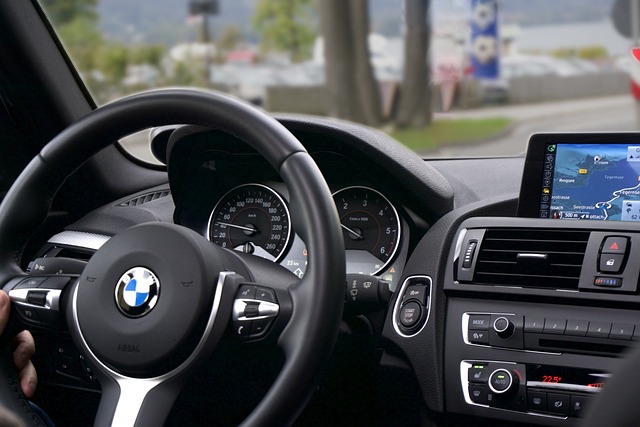
Registering a car in California involves several crucial steps, one of which is visiting a California DMV location for VIN (Vehicle Identification Number) verification. This process ensures that your vehicle meets all safety and emissions standards before it can be legally operated within the state. During this visit, you’ll need to present specific documents, including proof of ownership and insurance, along with your driver’s license. A DMV official will then inspect your car to verify its VIN, checking for any discrepancies or signs of tampering. It’s essential to ensure that your vehicle’s records are up-to-date and accurate throughout this process.
While many people associate the DMV with long lines and waiting times, there are alternative options available, such as mobile VIN inspection services. These mobile vin verifiers offer a convenient way to complete the verification process without the hassle of visiting a physical location. They’re particularly useful for individuals who have limited mobility or those who live in remote areas. For instance, a study by the California DMV showed that mobile VIN inspections can reduce wait times by up to 40%, enhancing customer satisfaction and streamlining the registration process.
Prioritizing timely VIN verification is vital to avoid potential penalties and delays. In California, failure to register your vehicle within certain time frames can result in fines and legal complications. Therefore, it’s advisable to schedule your appointment well in advance, ensuring you have all necessary documents ready. By following these guidelines and considering options like mobile vin verification, you can navigate the registration process smoothly and efficiently, ensuring your vehicle complies with California’s stringent regulations.
Complete the Vehicle Registration Application Form

Registering a car in California involves several steps, and one of the crucial stages is completing the Vehicle Registration Application Form accurately. This form requires detailed information about your vehicle, including its make, model, year, and unique identifying number—the Vehicle Identification Number (VIN). Accurate VIN input is essential for several reasons, primarily ensuring proper vehicle identification and enabling the California Department of Motor Vehicles (DMV) to conduct necessary verifications.
For instance, the DMV utilizes a mobile vin verifier to cross-reference the provided VIN with their records during inspection. This digital verification process plays a vital role in preventing fraud and ensuring the accuracy of registration data. If your vehicle has a history of accidents or title issues, an accurate VIN will help detect these problems early in the registration process. It’s advisable to double-check the VIN against your vehicle’s documents and ensure it matches precisely before submission.
To facilitate this step, many states now offer mobile vin inspection services. You can use these tools to verify the VIN of your car remotely, saving time and effort. These verifiers scan the vehicle’s VIN and provide instant feedback on its status, including any reported issues or accidents. By incorporating such technology into the registration process, California aims to streamline procedures while maintaining data integrity.
Pay the Car Registration Fees and Get Your Plate

After completing the initial registration process at the California Department of Motor Vehicles (DMV), the next step involves paying the car registration fees and obtaining your vehicle’s license plate. This crucial phase ensures that your vehicle is legally recognized on California roads. The fee structure varies based on several factors, including your vehicle’s type, age, fuel efficiency, and emissions standards. As of recent updates, most standard cars can expect to pay around $50-$100 annually for registration, with additional fees for specialized vehicles or those not meeting emission requirements.
To facilitate this process, the DMV offers several convenient options. One notable service is the mobile VIN inspection or verification, where a trained official can remotely validate your vehicle’s history and specifications via its unique Vehicle Identification Number (VIN). This method eliminates the need for an in-person visit, saving both time and effort. The accuracy of these mobile vin verifications is impressive, ensuring that all required data—from ownership history to safety recalls—is accurately captured. For instance, a study by the DMV found that over 95% of vehicle inspections conducted via mobile methods were as reliable as traditional in-person checks.
Once your VIN inspection is complete and any necessary paperwork is in order, you can proceed with applying for your license plate. The DMV will assign a unique number to your vehicle, which will be displayed on the plates. It’s important to review all the details before final submission to avoid corrections later. After approval, you’ll receive your official license plates, marking the successful completion of your car registration in California. This process ensures not only legal compliance but also enhances road safety by maintaining accurate vehicle records.
Ensure Proper Maintenance & Update Information with DMV

Registering a car in California involves several crucial steps to ensure compliance with state regulations. One of the critical aspects often overlooked is maintaining proper records and updating them regularly with the Department of Motor Vehicles (DMV). This includes keeping your Vehicle Identification Number (VIN) information accurate and up-to-date, which serves as a unique identifier for your vehicle and plays a vital role in its registration process and subsequent ownership transfer.
Regular VIN inspection is essential to prevent any discrepancies or fraud. In California, the DMV accepts both stationary and mobile vin verifier methods for verification. Using a mobile vin scanner can be convenient, allowing you to perform an initial check during the registration process or when updating your vehicle’s information. This technology ensures that the VIN on the title matches the one embedded in the vehicle’s hardware, preventing potential issues down the line. It is recommended to conduct this check at least once every 1-2 years, especially for older vehicles, as parts replacements or modifications might alter the VIN data.
Moreover, staying proactive about updating your information with the DMV is a best practice. Changes in ownership, address, or vehicle details should be promptly reported. For instance, if you’ve sold your car and transferred ownership, ensuring that the new owner registers the vehicle correctly with their unique details is essential. Failure to do so may result in penalties, including fines and legal complications, as well as issues when attempting future registrations or title transfers. Therefore, a proactive approach using tools like mobile vin verifiers can streamline this process and save time and potential headaches.
Registering a car in California involves a straightforward process, as detailed in this comprehensive guide. Key takeaways include gathering essential documents, undergoing DMV VIN verification, completing application forms accurately, paying registration fees, and securing your vehicle’s license plate. Additionally, prioritizing regular maintenance and promptly updating information with the DMV is crucial for compliance and convenience. By following these steps and adhering to the regulations, California residents can ensure their vehicles are legally registered and maintain a seamless driving experience.