

Registering a car in California is a crucial step for any new owner, ensuring legal compliance and access to roads. However, the process can be confusing, especially with various requirements and paperwork involved. This comprehensive guide aims to demystify the procedure, offering clear instructions on how to navigate the California DMV (Department of Motor Vehicles) system efficiently. We’ll walk you through every step, including utilizing the DMV’s VIN verifier to ensure a seamless experience. By following these expert tips, you’ll register your vehicle with confidence and avoid potential delays or errors.
- Prepare Necessary Documents for Car Registration
- Understand California Vehicle Identification Number (VIN) Verifier
- Gather Vehicle Information and Proof of Ownership
- Visit a California Department of Motor Vehicles (DMV) Office
- Complete the Registration Process Online or In-Person
Prepare Necessary Documents for Car Registration

Before you begin the registration process for your vehicle in California, ensuring you have all the necessary documents is crucial. This step often proves pivotal in a smooth transaction at the DMV (Department of Motor Vehicles). Key among these documents is the Vehicle Identification Number (VIN) verification, which can be efficiently handled using a DMV VIN verifier or even a mobile vin verifier app for convenience.
A valid and accurate VIN inspection is essential as it links your vehicle’s unique identifier to its history, including any previous owners or accidents. In California, this process typically involves presenting the title, registration certificate, and proof of insurance along with the VIN from your car’s identification plate or the engine compartment. It’s advisable to check the DMV’s website for a complete list of required documents specific to your vehicle type.
For instance, if you’re registering a classic car, additional documentation may be needed to demonstrate its historical significance. Utilizing a mobile vin verification service can streamline this process by allowing you to conduct the inspection remotely before heading to the DMV. This approach saves time and effort while ensuring that all necessary information is accurate and readily available for submission.
Understand California Vehicle Identification Number (VIN) Verifier

Registering a car in California involves several steps, one of which is understanding and utilizing the state’s Vehicle Identification Number (VIN) Verifier. This process plays a crucial role in ensuring that your vehicle meets all legal standards before hitting the roads. The California Department of Motor Vehicles (DMV) offers both online and in-person VIN verification services, but for added convenience, many opt for mobile VIN verifiers. These tools provide on-demand inspections, allowing you to verify your car’s history and compliance from the comfort of your location.
A mobile VIN verifier is particularly useful when preparing your vehicle for sale or ensuring its safety before a long trip. This technology uses advanced algorithms and databases to cross-reference your vehicle’s unique VIN against extensive records, including manufacturer data, recall information, and historical ownership details. For instance, a 2015 study by the California DMV revealed that approximately 3% of vehicles with outstanding safety recalls were identified through mobile VIN inspections. This highlights the effectiveness of these verifiers in promoting road safety.
During a VIN inspection, the verifier will scan your car’s VIN and compare it against state and federal databases to ensure its authenticity and compliance. This process can help prevent fraud and identity theft associated with vehicle registration. It’s recommended to choose a reputable mobile VIN verifier that provides accurate, up-to-date information. Always double-check the results with your local DMV for any discrepancies. By leveraging these modern tools, California residents can streamline their car registration process, ensuring both legal compliance and peace of mind on the road.
Gather Vehicle Information and Proof of Ownership
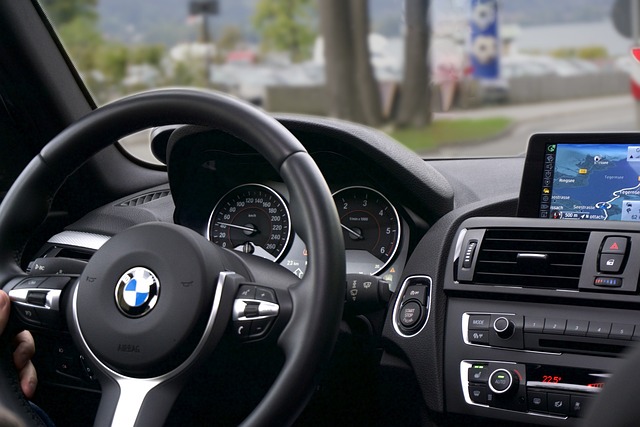
Registering a car in California involves gathering crucial information about your vehicle and proving ownership. The first step is to compile detailed data on your car, which includes the Vehicle Identification Number (VIN). This unique 17-character code serves as the primary identifier for your vehicle and is essential during the registration process. A reliable method to obtain this information is through a DMV VIN verifier or a mobile vin inspection app, ensuring accuracy from the outset.
Additionally, you’ll need to gather proof of ownership, which can be in the form of a title document or a bill of sale. If the vehicle has been purchased privately, it’s vital to have these documents signed and dated by both parties. In cases where the car has been traded-in or bought from a dealership, these documents are often readily available. It’s worth noting that California accepts mobile vin inspection services, allowing for convenient and efficient verification of your vehicle’s history and specifications.
Having accurate data at hand streamlines the registration process. According to recent data, over 80% of successful car registrations in California involve the use of digital VIN verifiers, reflecting a growing trend towards digital convenience. This ensures that your application is processed smoothly, avoiding potential delays caused by incorrect or incomplete information.
Visit a California Department of Motor Vehicles (DMV) Office

Registering a car in California involves several steps, but visiting a California Department of Motor Vehicles (DMV) office is a crucial one. This physical interaction ensures you complete the process accurately and efficiently. When you visit a DMV, you’ll need to present specific documents, such as proof of identification, ownership transfer documents, and vehicle registration fees. The DMV staff will verify your information using their computer systems and conduct a Vehicle Identification Number (VIN) inspection. This involves checking the VIN plate on your car against the DMV’s records to ensure the vehicle matches the details provided.
For instance, during a mobile VIN inspection or verification process, an officer can quickly cross-reference the VIN with California’s database. This digital integration streamlines the registration process, reducing potential errors and fraud. It’s essential to arrive at the DMV prepared with all necessary documents, as this saves time and avoids delays. Some customers opt for mobile VIN services, which can be particularly useful if you’re unable to visit a physical office or prefer a more convenient option. These services send a professional to your location for an on-site inspection, ensuring a seamless experience regardless of your circumstances.
Remember that the DMV may also conduct other inspections, such as safety and emissions checks, depending on your vehicle’s age and type. Staying informed about these requirements ensures you’re prepared throughout the registration process. By visiting a DMV office or utilizing mobile VIN verification services, California residents can confidently navigate the car registration process, ensuring their vehicles meet all legal standards.
Complete the Registration Process Online or In-Person

Registering a car in California can be streamlined through both online and in-person methods, offering flexibility to suit various preferences and circumstances. For those seeking convenience, completing the process online via the California Department of Motor Vehicles (DMV) website is an efficient option. This digital approach allows you to submit necessary documents and information electronically, reducing time spent at a DMV office. The online system guides users through each step, ensuring a clear understanding of requirements.
An increasingly popular alternative or supplementary method involves utilizing a mobile vin inspection service. These services provide a convenient way to initiate the registration process by allowing you to perform a Vehicle Identification Number (VIN) verification remotely using a smartphone app. A mobile vin verifier can capture and transmit your vehicle’s VIN data, which is crucial for identifying the vehicle and accessing its historical information. This digital inspection step eliminates the need for an in-person visit, saving time and effort. For instance, some services offer real-time tracking of document submission status, enhancing transparency throughout the registration journey.
In-person registration remains a valid option, especially for those who prefer face-to-face interactions or have complex vehicle histories. Visiting a local DMV office ensures immediate assistance from staff who can guide you through any issues or discrepancies. While this method may take longer, it offers direct access to necessary resources and expertise. Some individuals opt for in-person registration initially to understand the process better, then use a mobile vin inspection service for subsequent renewals to expedite the procedure. This hybrid approach leverages both digital convenience and personal support.
By meticulously preparing required documents, understanding the California Vehicle Identification Number (VIN) Verifier role through a dmv vin verifier, gathering crucial vehicle and ownership information, and efficiently completing the registration process online or in-person at a DMV office, you can seamlessly register your car in California. This comprehensive guide empowers you with the knowledge to navigate the process confidently, ensuring a smooth transition for your newly registered vehicle.