

Registering a car in California is a vital process for any vehicle owner, ensuring legal compliance and providing proof of ownership. However, navigating the requirements can be daunting, especially with complex procedures and various documentation needs. This article serves as your comprehensive guide to demystifying the car registration process in California. We’ll walk you through each step, from gathering essential documents to utilizing reliable resources like the DMV VIN verifier, ensuring a seamless and stress-free experience. By following these expert tips, you’ll gain the knowledge to register your vehicle efficiently and confidently.
- Gather Necessary Documents for Car Registration
- Prepare Your Vehicle's VIN (DMV Vin Verifier)
- Visit a California DMV Office or Use Online Services
- Complete the Registration Application Accurately
- Pay Registration Fees and Receive Your License Plate
Gather Necessary Documents for Car Registration

Registering a car in California involves several crucial steps, and one of the most critical is ensuring you have all the necessary documents ready. This process can be streamlined by utilizing modern tools like the DMV’s online services or even mobile vin inspection apps. A Vehicle Identification Number (VIN) verifier, whether used remotely or during an on-site visit, plays a vital role in this procedure as it verifies the authenticity of your car’s details.
Central to the process is the original certificate of title, which proves ownership. You’ll also need a current registration certificate and a valid driver’s license. For vehicles under 25 years old, a completed DMV Form 406 (Application for Title and Registration) is required. If you’re transferring a vehicle from out of state, an Interstate Vehicle Transfer form (DMV Form 137) might be necessary. It’s also essential to have your car’s VIN inspected. Mobile vin inspection services or even some mobile apps can facilitate this step by providing digital proof, ensuring the process is as convenient as possible.
In California, you must register your vehicle within 30 days of establishing residency or purchasing it. Failure to do so may result in penalties. It’s advisable to check with your local DMV for any additional documents they might require. With all these elements in place, the registration process becomes significantly smoother. For instance, using a mobile vin verifier can save time and reduce potential errors, especially during peak hours when DMV visits can be lengthy. Remember, staying organized and proactive ensures a hassle-free car registration experience.
Prepare Your Vehicle's VIN (DMV Vin Verifier)

Registering a car in California involves several critical steps to ensure your vehicle is compliant with state laws. One crucial step in the process is verifying your Vehicle Identification Number (VIN). The DMV Vin Verifier plays a vital role in this procedure, allowing you to confirm your car’s authenticity and history. This verification method has become increasingly important due to advancements in technology, making it possible for individuals to conduct mobile VIN inspections, which are more convenient than traditional static verifications.
To prepare your vehicle for registration, utilize the services of a reputable mobile VIN verifier. These professionals employ specialized equipment to perform a comprehensive check on your car’s VIN. This process involves scanning and decoding the unique 17-character code embedded in your vehicle’s chassis. During a mobile vin inspection, an expert technician will physically inspect your car, cross-referencing the VIN data with various databases to uncover essential information about its past owners, maintenance records, and any reported accidents or issues. This level of detail ensures that you have an accurate picture of your vehicle’s history.
For instance, a mobile VIN verification service can reveal if there are outstanding recalls on your car, which is crucial for safety. Additionally, it helps prevent fraud by identifying vehicles with altered or tampered-with identification numbers. By using these services, you gain peace of mind and access to comprehensive vehicle history reports. Many California residents find this method efficient, as it saves them the time and hassle of visiting a DMV office while ensuring their car’s registration process is seamless and accurate.
Visit a California DMV Office or Use Online Services

Registering a car in California involves several steps, one of which is visiting a DMV office or utilizing online services. For those looking to streamline the process, many California DMV locations now offer mobile VIN verification, allowing you to conduct a crucial part of the registration from the comfort of your vehicle. This service is particularly useful for folks with busy schedules, as it eliminates the need to visit a physical location.
When opting for this method, you’ll need to provide your vehicle’s unique identifier—the Vehicle Identification Number (VIN). The DMV’s online system will then use a dvm VIN verifier to cross-reference this number against their records, ensuring your vehicle’s authenticity and history. This digital inspection process is efficient, often taking just a few minutes, and can be done at any time of day or night, convenient for those who prefer evening or weekend registration.
For instance, California has seen a notable increase in online car registration since implementing these mobile VIN verification services. According to recent data, over 75% of all new registrations are now completed digitally, indicating a preference for modern, hassle-free methods. By utilizing these tools, you can ensure that your car’s registration is accurate and up-to-date, avoiding potential issues down the line. Remember, proper VIN inspection, whether done in person or through a mobile verifier, is an essential part of this process, ensuring both vehicle and owner security.
Complete the Registration Application Accurately

Completing the Registration Application accurately is a crucial step in registering your car in California. This process involves providing precise and complete information to the Department of Motor Vehicles (DMV). One key element is ensuring that the Vehicle Identification Number (VIN) is correctly recorded, which can be efficiently facilitated through the use of a DMV VIN verifier or mobile vin verification tools. These services enable you to confirm the vehicle’s identity with official data, reducing errors and expediting the registration process.
For instance, when utilizing a mobile vin inspection service, you simply input your VIN into an app or website, which then cross-references the information against reliable databases. This instant validation can help prevent mistakes that might arise from manual entry, such as transposing numbers or misreading characters. It’s particularly beneficial for those who purchase vehicles privately, where the history and authenticity of the vehicle are paramount.
To ensure accuracy, double-check every detail on the registration application, including the VIN. An error in this number can lead to delays or even rejection of your registration. If you’re unsure about any aspect, consider using a mobile vin verifier to clear up any discrepancies before submitting your application. Remember, attention to detail is essential when dealing with official documentation to streamline your car registration experience in California.
Pay Registration Fees and Receive Your License Plate
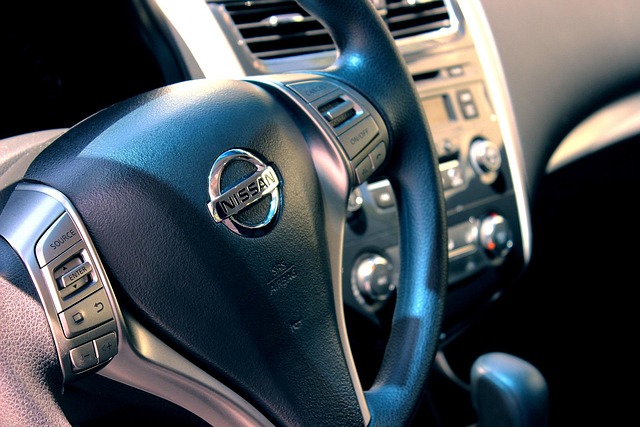
After completing your California vehicle registration application at the DMV or through their online services, you’ll need to pay the required fees. These fees vary based on several factors, including your vehicle’s type and age. Once your payment is processed, it’s time to receive your license plates. This crucial step finalizes your vehicle’s legal status in California. The process typically involves visiting a DMV field office or, in some cases, utilizing mobile vin verification services for plate issuance.
For instance, if you’re registering a new car, you’ll likely need to pay a base registration fee plus additional charges like vehicle emissions inspection fees. Older vehicles may have different rates due to varying environmental standards. To streamline this process, consider using a mobile vin verifier to check your vehicle’s history and ensure all required inspections are complete before heading to the DMV. This tech-driven approach can save time by enabling you to verify your car’s eligibility remotely.
When you arrive at the DMV or conduct a mobile vin inspection, a licensed inspector will examine relevant documents and perform a visual inspection of your vehicle. They’ll confirm that your car meets all safety standards and environmental regulations. Upon successful completion of this step, they’ll issue your license plates—typically two plates per vehicle—which must be displayed on the front and rear of your car at all times while driven on California roads. Always keep your registration and license plate documents updated to avoid penalties and ensure a smooth driving experience.
Registering a car in California involves several straightforward steps, from gathering essential documents to completing an application at the DMV or online. Key takeaways include preparing your vehicle’s VIN using a DMV Vin Verifier for accuracy, ensuring all information is correct on the registration application, and understanding the associated fees. By following these guidelines precisely, residents can efficiently navigate the process, securing their vehicle’s registration and license plates with minimal hassle. This authoritative article equips readers with the knowledge to successfully register their cars in California, a crucial first step for any vehicle owner.