
Registering a car in California is a crucial step for any new owner, ensuring legal compliance and ownership rights. However, navigating the process can be confusing, with various requirements and steps to remember. This comprehensive guide aims to demystify the procedure, offering expert insights into every aspect. From gathering essential documents to understanding fees and even the critical role of DMV VIN verification, we'll walk you through each stage, ensuring a smooth and efficient registration experience. By following these clear instructions, you'll be well-prepared to successfully register your vehicle in California.
- Prepare Required Documents for Car Registration
- Visit California DMV: Steps & Process Explained
- Perform Vehicle Identification Number (VIN) Verification
- Pay Car Registration Fees: Options and Due Dates
- Receive Your California License Plate: Tips and Best Practices
Prepare Required Documents for Car Registration

Registering a car in California involves several crucial steps, and one of the most important is preparing the necessary documents for car registration at the Department of Motor Vehicles (DMV). This process ensures that all vehicle information is accurate and up-to-date, facilitating a smooth registration experience. Begin by gathering essential paperwork such as proof of ownership, which can be in the form of a title or a bill of sale. Additionally, you'll need a current vehicle inspection report and valid insurance documentation. A key aspect of this preparation stage is obtaining a successful DMV VIN verification, ensuring your car's unique identifier—the Vehicle Identification Number (VIN)—is legitimate and matches the vehicle's characteristics.
For convenience, consider utilizing mobile vin inspection services that provide on-site verifications. These services not only save time but also offer peace of mind, especially if you're registering a used car. The process typically involves a trained professional using specialized equipment to cross-reference the VIN with national databases, ensuring it's not reported as stolen or has any outstanding issues. This step is vital as it helps prevent fraud and ensures you're not left with unexpected legal complications later. When scheduling your inspection, ensure you have all required documents readily available for a seamless experience.
Remember, accurate documentation is the cornerstone of a successful car registration process. By meticulously preparing these papers, including a valid VIN verification from a reputable mobile service, you'll be well on your way to securing your vehicle's registration in California without unnecessary delays or complications.
Visit California DMV: Steps & Process Explained
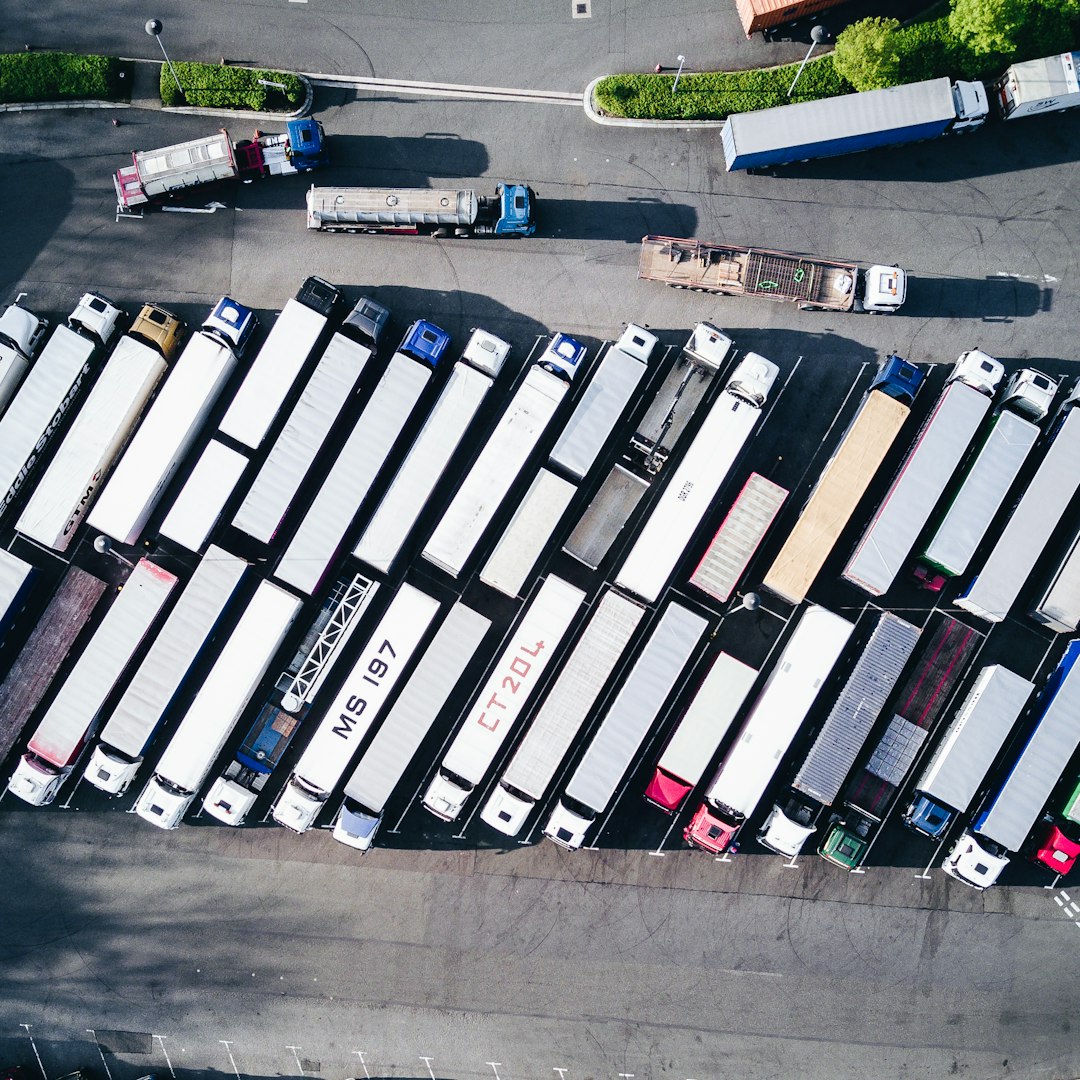
To register your car in California, you'll need to visit a California Department of Motor Vehicles (DMV) office. This essential step involves several procedures designed to ensure vehicle safety and identity verification. The process begins with gathering all necessary documents, including proof of ownership, identification, and insurance. Once prepared, schedule a visit during operational hours or consider using the DMV's online services for convenience.
When you arrive at the DMV, locate the designated window for registration and provide your documentation. An examiner will review your paperwork, perform a vehicle inspection, and check the Vehicle Identification Number (VIN) to ensure its authenticity. This process includes a dmv vin verification, which is crucial in combating automotive fraud. If all requirements are met, you'll be issued a registration certificate and license plate, allowing your vehicle to legally operate on California roads.
For those with busy schedules, the DMV offers mobile VIN inspection services as a convenient alternative. These inspections can be scheduled online or by phone, providing an efficient way to complete the VIN verification process without visiting a physical office. This option is particularly useful when preparing to transfer ownership or for out-of-state vehicles requiring California registration. Mobile vin verification ensures that your vehicle's history and specifications are accurately assessed, fostering transparency in the registration process.
Perform Vehicle Identification Number (VIN) Verification

Registering a car in California involves several crucial steps, one of which is ensuring accurate and up-to-date information for your Vehicle Identification Number (VIN). This process, known as VIN verification, is essential to prevent fraud and ensure safety standards. The California Department of Motor Vehicles (DMV) offers both in-person and mobile vin inspection services to facilitate this verification.
For instance, when conducting a vehicle history report, the DMV cross-references your car's VIN with various databases to confirm its authenticity and accident history. This step is vital as it helps identify any discrepancies or potential red flags that could impact the registration process. In some cases, issues like odometer rollback or non-compliance with safety standards may arise, underscoring the importance of a thorough vin inspection 1-3 times during the registration journey. Mobile vin verifiers, including those offered by third-party services and the DMV itself, simplify this process by bringing the inspection to you, whether at home, work, or even during your lunch break.
While in-person visits to DMV offices remain an option, mobile vin inspection has gained popularity for its convenience and efficiency. These services employ specialized equipment to transmit real-time data from your car's VIN to relevant databases, providing immediate results. This digital approach not only speeds up the registration process but also reduces potential errors associated with manual record-keeping. Remember that a reliable mobile vin verifier or DMV service should be able to deliver accurate, official reports recognized by California's regulatory bodies.
Pay Car Registration Fees: Options and Due Dates

Registering a car in California involves several steps, and one crucial aspect is paying the registration fees. These fees vary depending on the type of vehicle and its age. When it comes to ensuring everything is done correctly, many drivers opt for convenient solutions like mobile VIN verifiers. A Mobile VIN (Vehicle Identification Number) verifier can perform a quick and accurate DMV VIN verification, making the process smoother.
For new vehicles, California charges fees based on the manufacturer's suggested retail price (MSRP). As of recent data, these fees range from approximately $50 to over $200, with an additional $25 to $40 for smog inspection, depending on the vehicle's emissions status. For older cars, the process is slightly different. Owners might be eligible for a lower fee if their vehicles pass a state-mandated safety and emissions inspection, such as a vin inspection. This inspection can be conducted at certified stations or even through mobile VIN verification services.
It's essential to pay attention to registration deadlines. In California, vehicle owners must renew their registration before it expires, typically every year. Failure to do so can result in penalties and additional fees. To stay on top of these requirements, consider using a reliable mobile VIN verifier for peace of mind. This service allows you to check your vehicle's status and ensure all necessary inspections are up to date, helping you avoid late fees or potential issues with the California DMV.
Remember, staying informed and utilizing available resources like mobile VIN verification can make navigating registration procedures more efficient. By understanding the fee structure and keeping track of inspection deadlines, California drivers can maintain their vehicles' legal status with relative ease.
Receive Your California License Plate: Tips and Best Practices

Receiving your California license plate is a crucial step in the car registration process, ensuring your vehicle is legally recognized on state roads. After completing the initial paperwork at the DMV (Department of Motor Vehicles) or through an online portal, the next phase involves obtaining unique California license plates that reflect your vehicle's identity and complies with state regulations. One essential aspect to remember is the requirement for a DMV VIN verification, which ensures the accuracy of your vehicle's identification number (VIN). This process checks against any reported thefts or outstanding issues associated with your car's VIN.
For a seamless experience, consider employing a mobile vin inspection service, offering convenience and expertise. These services send a trained professional to your location to conduct a thorough vin inspection, including checking the VIN on your vehicle against DMV records. This is particularly beneficial for those with busy schedules or limited mobility. By utilizing a mobile verifier, you can avoid lengthy waiting times at the DMV and ensure all paperwork is completed accurately, reducing potential delays in receiving your plates.
Once your vin inspection is successfully completed, demonstrating compliance with California's standards, the final step involves picking up your license plates. The DMV will issue plates that display your vehicle's VIN, providing a clear link between your car and its registration details. Remember to keep these plates secure, as they are both functional and regulatory necessities for operating your vehicle legally on California roads.
Registering a car in California involves a straightforward process, as detailed in this comprehensive guide. Key takeaways include preparing essential documents, visiting the DMV to complete the registration process and undergo dmv vin verification, paying relevant fees on time, and receiving your California license plate. By following these steps and adhering to due dates, you can ensure a smooth car registration experience. Remember to gather all required paperwork, double-check vehicle information, and stay informed about any updates from the DMV. This guide provides readers with the knowledge needed to navigate the process confidently, ensuring their vehicles are legally registered and ready for California's roads.